Why Older Alpharetta Properties Present Unique Cleanup Challenges
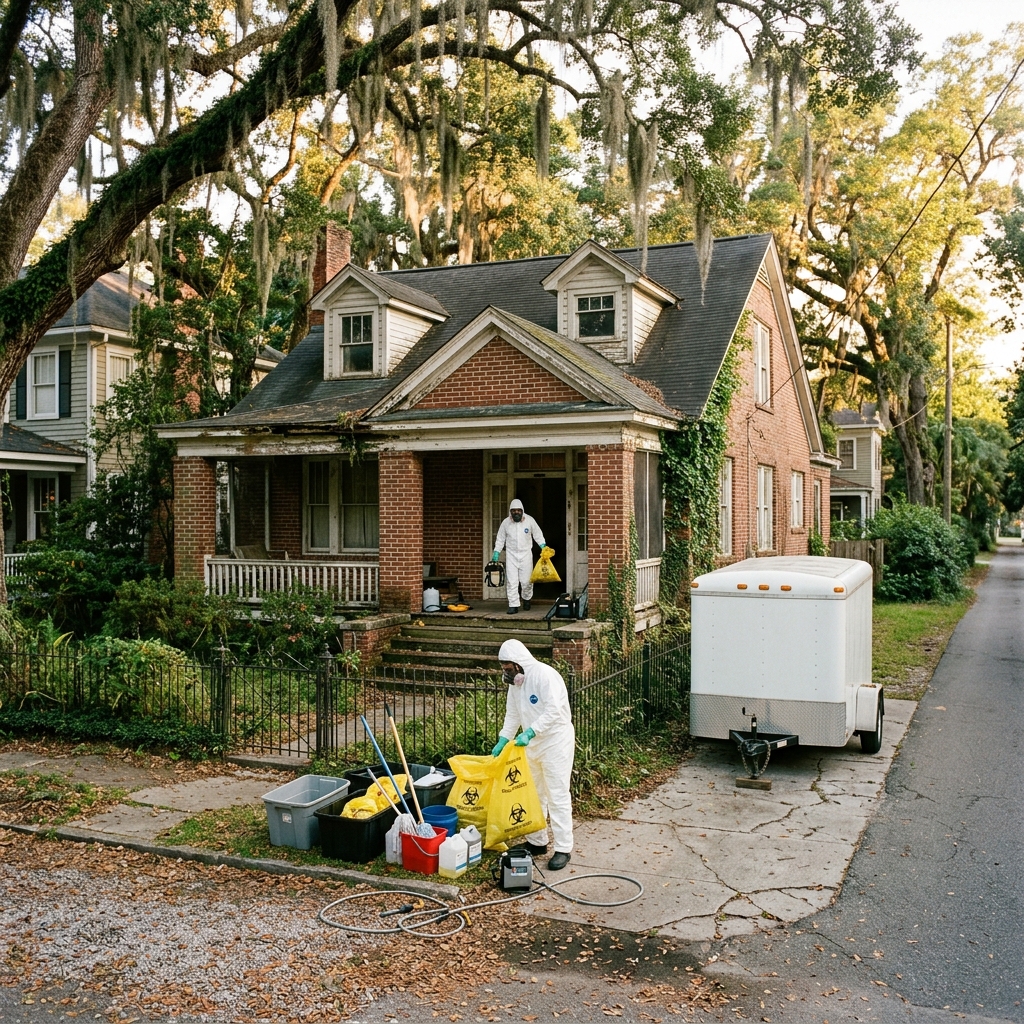
Alpharetta's charm includes its mix of newer developments alongside historic neighborhoods. But when a biohazard incident occurs in an older property — whether it's a craftsman-style home near Downtown Alpharetta, a 1980s-era ranch in the Crabapple area, or an aging apartment complex near Haynes Bridge Road — the cleanup process becomes significantly more complex than in newer construction.
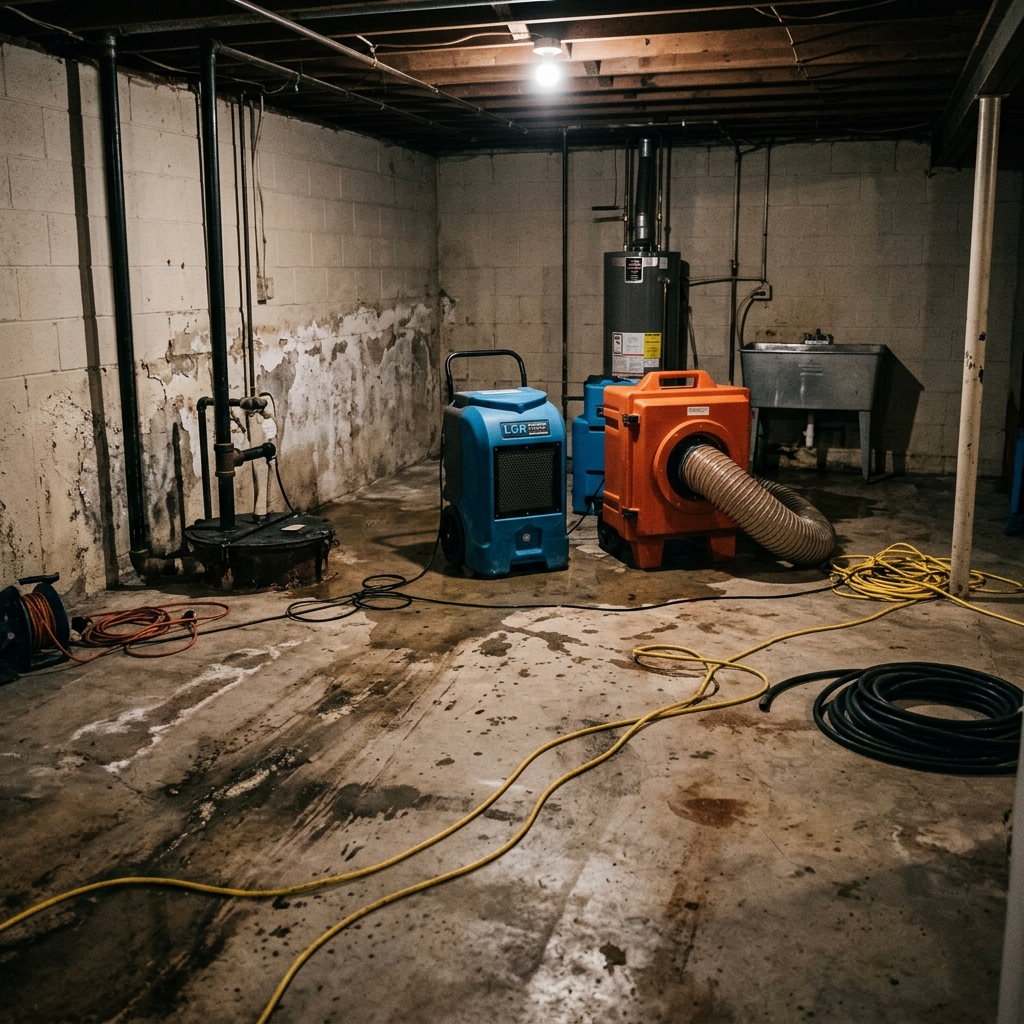
Older homes typically feature porous building materials like hardwood flooring, plaster walls, unfinished basements, and original subflooring that absorb biohazardous fluids deeply. Unlike modern materials designed to resist moisture, these surfaces act like sponges. A blood spill or unattended death in a home with original 1970s carpet and plywood subflooring near Old Milton Parkway can require removal of not just the carpet, but the pad, subfloor, and sometimes even floor joists to achieve full decontamination.
Older Alpharetta properties require deeper remediation due to porous building materials, aging infrastructure, and structural layouts that complicate containment. Always hire a cleanup team experienced with pre-2000 construction methods common in North Fulton County.
Multi-Unit Property Challenges in Alpharetta
Multi-unit properties bring an entirely different set of complications. When a biohazard incident occurs in one unit, the contamination rarely stays contained to that single space.
- Condo Communities Near Avalon: Modern condos share HVAC systems, plumbing stacks, and wall cavities. An unattended death in one unit can cause odor migration to neighboring units through these shared pathways, requiring treatment well beyond the affected residence.
- Apartment Complexes Near North Point: Multi-story apartments face gravity-related contamination — fluids from an upper-floor incident can seep through flooring into the unit below. Property managers must coordinate access to multiple units, often while maintaining tenant privacy and discretion.
- Townhomes Along Webb Bridge: Attached townhomes share party walls. Contamination that reaches wall cavities can affect the adjacent unit's air quality, requiring coordinated remediation between property owners and sometimes HOA involvement.
HOA and Access Coordination
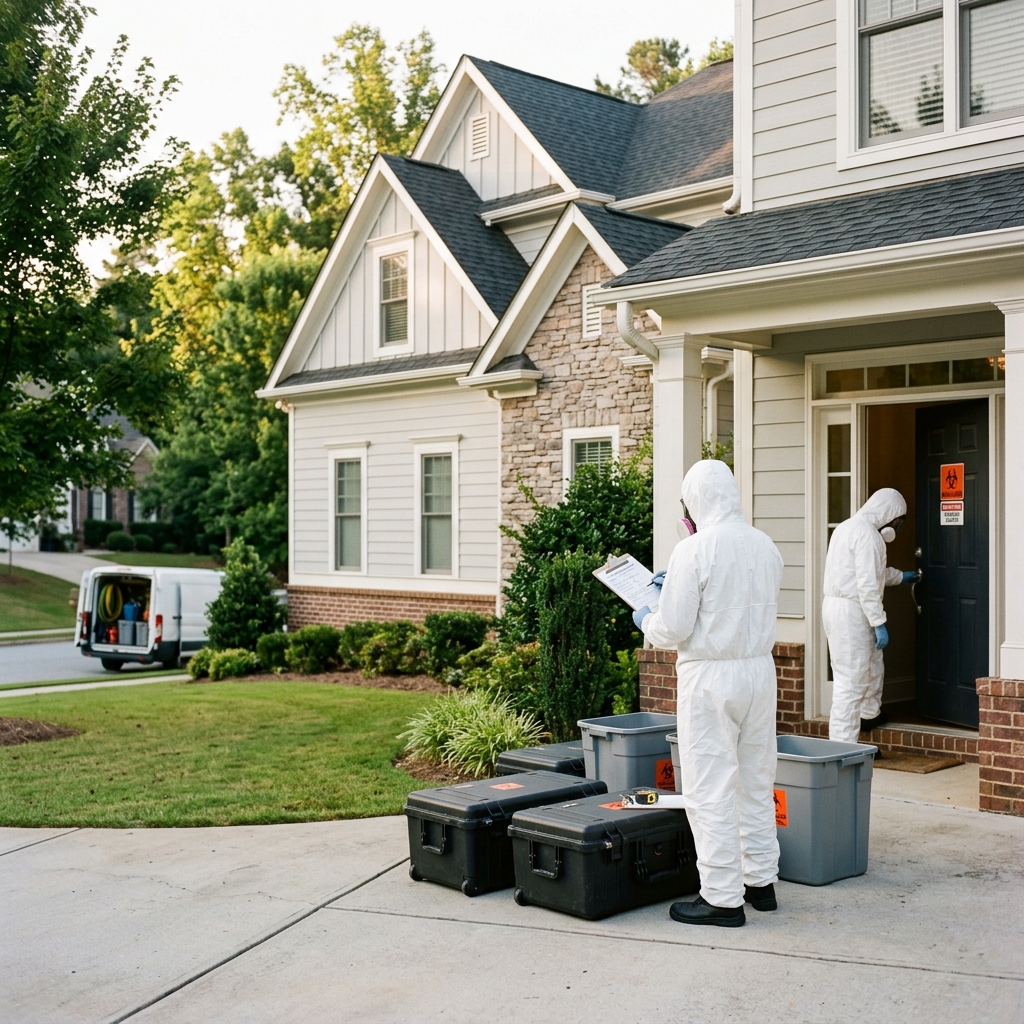
In gated communities and HOA-managed properties throughout Milton and Alpharetta, cleanup crews face additional logistical hurdles. Gate access, parking restrictions, approved vendor lists, noise ordinances, and designated elevator usage during cleanup all require advance coordination. Experienced biohazard companies in the Alpharetta area maintain relationships with local HOA management companies and understand the approval processes required before equipment can even enter the property.
If you're a property manager or HOA board member in Alpharetta, establish a pre-approved biohazard vendor relationship before an incident occurs. Having a vetted, insured provider on your emergency contact list saves critical time and avoids scrambling during a stressful situation.
Structural Considerations for Older Alpharetta Properties
Beyond the contamination itself, older properties present structural concerns during remediation. Lead paint in pre-1978 homes requires careful handling during demolition. Asbestos in floor tiles, insulation, or pipe wrap — common in homes built before 1990 across the Crabapple and historic Alpharetta areas — must be identified and managed before biohazard remediation can proceed.
"An older home in Alpharetta isn't just a cleanup — it's an investigation. We assess building materials, structural integrity, and hidden contamination pathways before developing a remediation plan. What you can't see often matters more than what you can."
Crawlspaces in older ranch-style homes near Mansell Road present unique challenges. Contamination can wick into soil beneath the structure, requiring vapor barriers, antimicrobial soil treatment, and extended monitoring. Pier-and-beam foundations — common in many older North Fulton properties — allow fluids to travel laterally in ways that slab-on-grade newer construction does not. Professional remediation teams document all structural findings for insurance purposes, providing the evidence needed for comprehensive claims.