Every Community Has Different Cleanup Challenges
While Alpharetta is our home base, our biohazard cleanup team serves a wide region spanning North Fulton County, Forsyth County, Gwinnett County, Cobb County, and Cherokee County. Each community we serve has distinct property types, demographics, and logistical considerations that affect how we approach biohazard remediation.
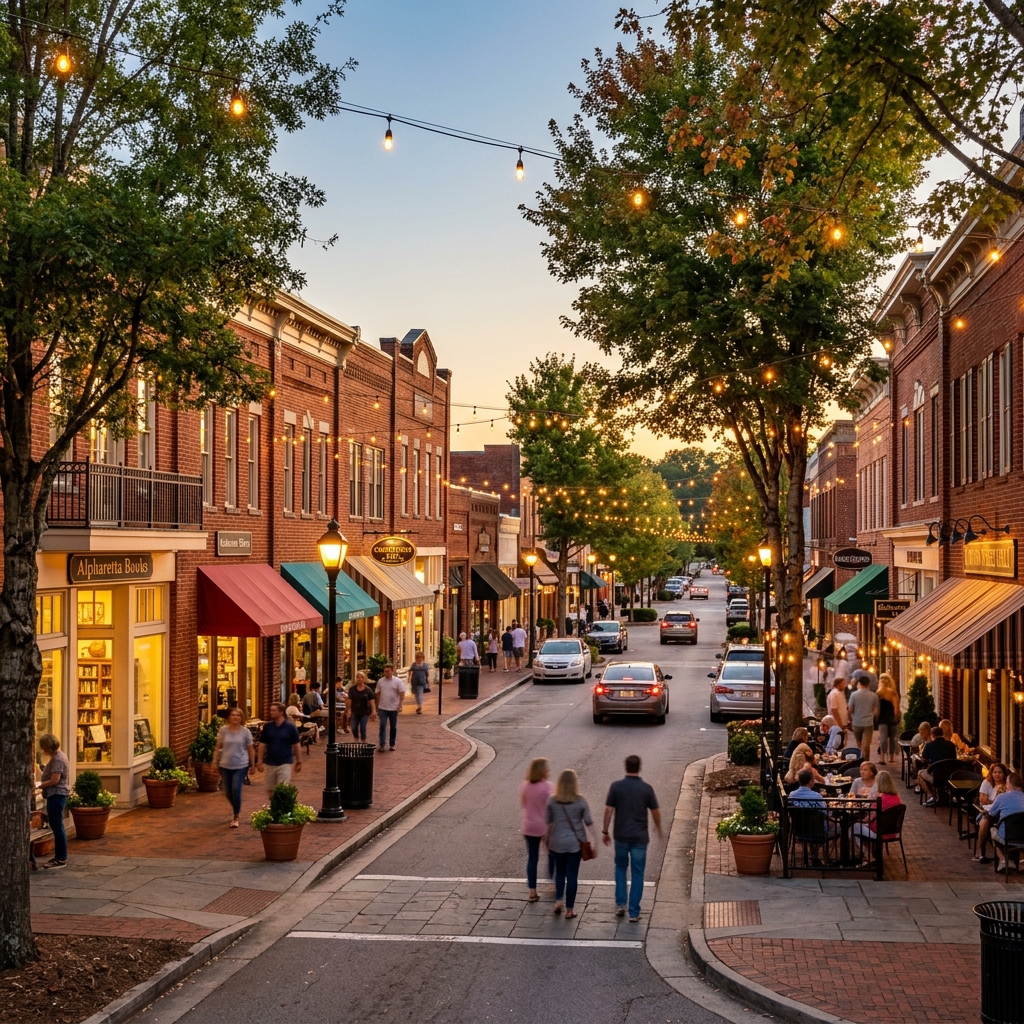
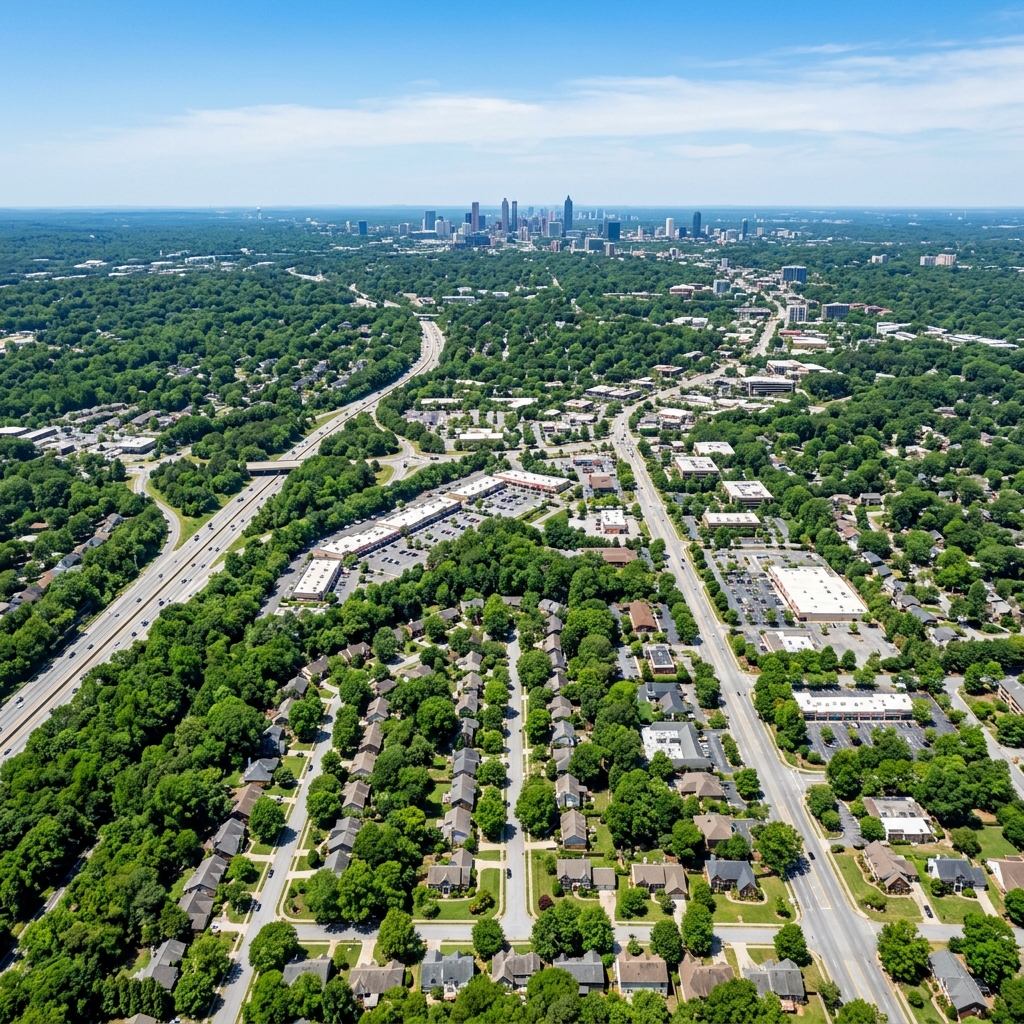
Alpharetta itself is a mix of newer master-planned communities, established neighborhoods, a vibrant downtown core, and major commercial corridors like Windward Parkway and North Point. But drive fifteen minutes in any direction and the landscape changes significantly — from Milton's equestrian estates and rural parcels to Sandy Springs' dense apartment communities near the Perimeter, from Cumming's rapidly growing subdivisions in Forsyth County to Dunwoody's established corporate office parks.
Biohazard cleanup isn't generic work. The property types, access requirements, and community expectations vary significantly across Alpharetta and its neighboring suburbs. Choose a provider with local knowledge of your specific area.
Area-by-Area Cleanup Considerations
Here's how biohazard cleanup needs differ across the communities we serve:
- Milton GA: Predominantly large-lot single-family homes, equestrian properties, and gated subdivisions. Access often requires gate codes, long driveways, and coordination with HOA management. Properties tend to be newer construction with modern materials, but larger square footage means more area to assess and treat.
- Roswell GA: A mix of historic homes in the downtown district, established 1980s-90s neighborhoods, and newer developments. Roswell's historic district properties present similar challenges to older Alpharetta homes — porous materials, aging infrastructure, and potential hazardous building materials.
- Johns Creek GA: Upscale residential communities with strong HOA governance. Cleanup here often involves multi-stakeholder coordination between homeowners, HOA boards, and property management companies. Discretion and community sensitivity are paramount.
North vs. South: Forsyth County and Gwinnett County
Heading north from Alpharetta into Forsyth County, communities like Cumming and the GA-400 corridor feature rapidly expanding new-construction subdivisions. These newer homes are generally easier to remediate due to modern building materials, but the sheer volume of new multi-family development means property managers are increasingly encountering biohazard situations in rental and apartment settings. South and east toward Gwinnett County, communities like Suwanee, Duluth, Norcross, and Peachtree Corners feature higher-density apartment complexes, diverse commercial corridors, and a broader range of property ages and conditions — creating more varied remediation scenarios.
When choosing a biohazard cleanup company for your North Fulton or Metro Atlanta property, ask about their response time to your specific area — not just their general service region. A company based near Alpharetta can reach Milton, Roswell, and Johns Creek in under 30 minutes, but may take significantly longer to reach Marietta, Woodstock, or Dunwoody during peak traffic.
Why Local Expertise Matters for Metro Atlanta Properties
Beyond logistics, local expertise means understanding the nuances of each community. A biohazard team familiar with Sandy Springs knows that many apartment complexes near the Perimeter have specific vendor approval processes and building access protocols. A team experienced in Marietta and Cobb County understands the mix of military-connected families near Dobbins ARB and the older industrial properties along the South Cobb corridor.
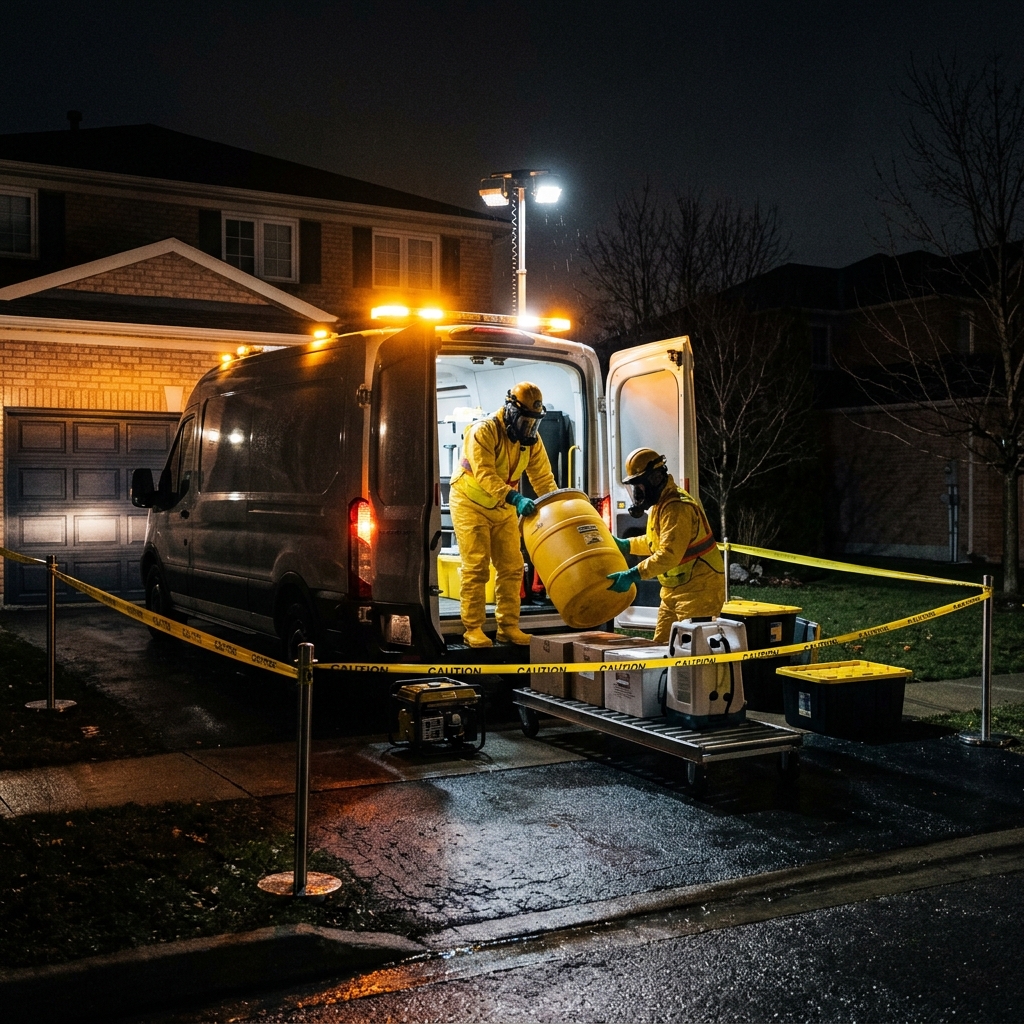
"Knowing the area isn't a nice-to-have — it's essential. When a property manager in Johns Creek calls at midnight, we already know the gate access protocol, the building layout style, and the HOA notification requirements. That local knowledge cuts our response time and reduces stress for everyone involved."
Woodstock and Cherokee County bring their own character — a mix of rural properties, growing subdivisions, and a revitalized downtown. Dunwoody's corporate office environment means after-hours commercial cleanup is the norm, with building security coordination required. Each area demands a team that doesn't just arrive with equipment, but arrives with context — understanding the community, the property types, and the expectations of the people who live and work there.